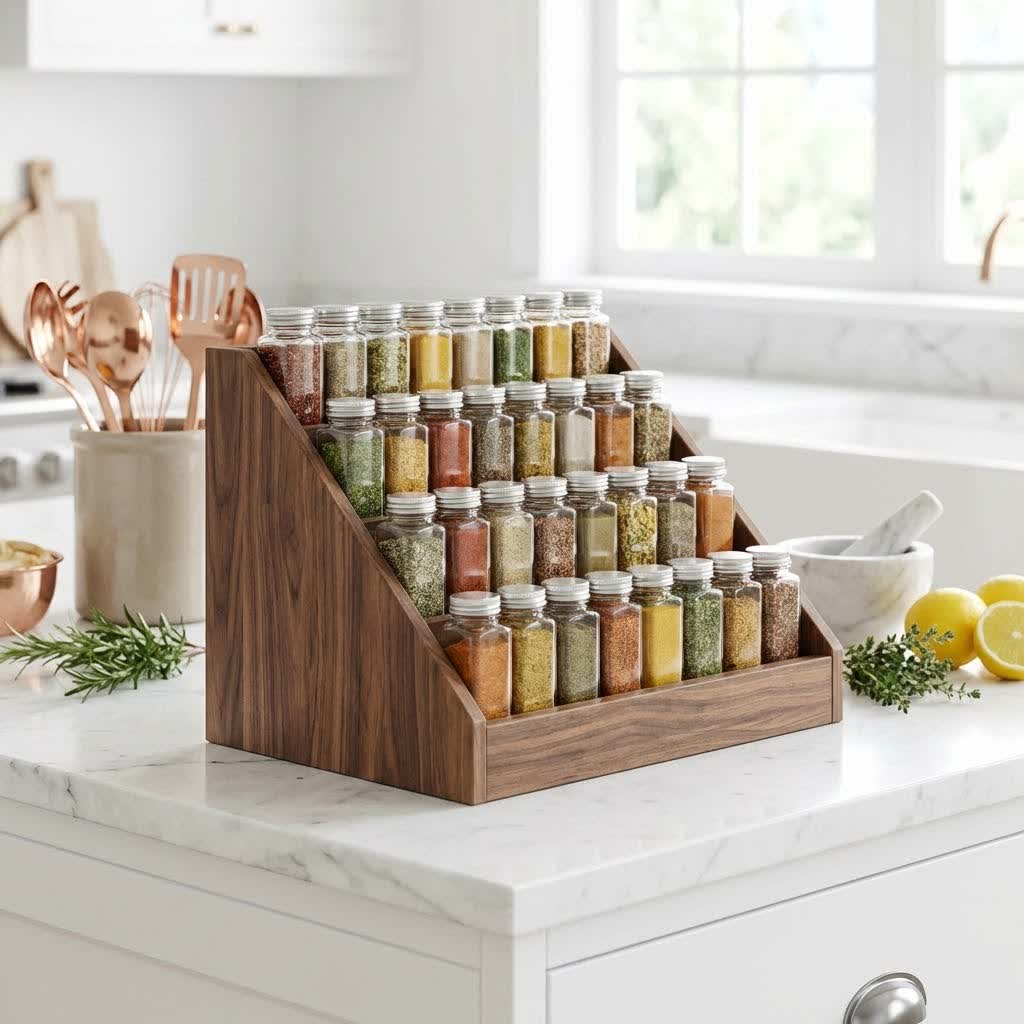
Do you ever find yourself rummaging through a chaotic cabinet, desperately searching for that elusive pinch of cumin, only to discover you bought another jar last week? A cluttered spice collection can turn the joy of cooking into a frustrating chore. But imagine a kitchen where every spice is visible, easily accessible, and perfectly preserved. This isn’t just a dream; it’s the reality a well-chosen spice rack can bring. Beyond mere storage, the right spice rack transforms your cooking experience, boosts efficiency, and adds a touch of elegant order to your culinary space. Let’s delve into the world of spice racks and discover how to perfectly organize your spices.
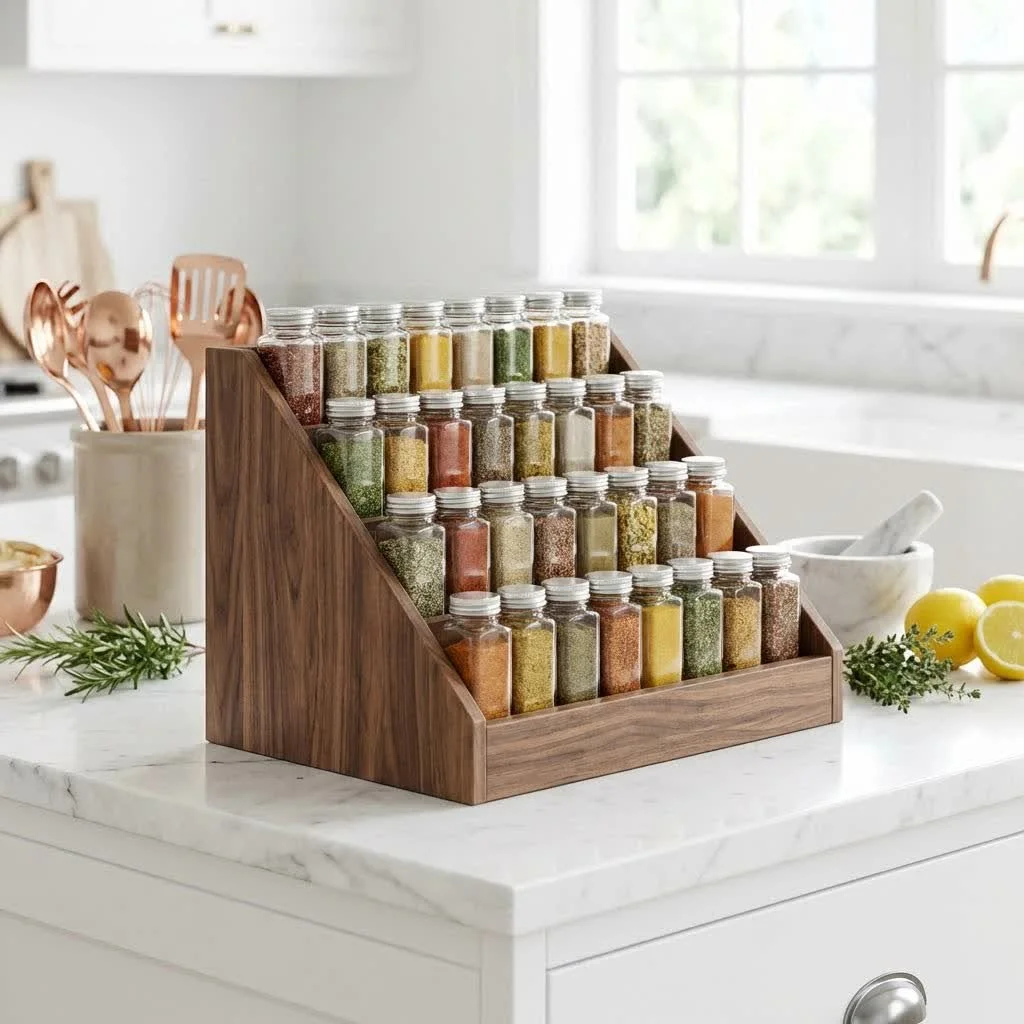
Spice Racks: The Ultimate Solution for an Organized Kitchen
An organized kitchen begins with a system, and for spices, that system is the humble yet mighty spice rack. It’s more than just a holder; it’s a strategic tool designed to keep your flavorings fresh, visible, and ready for action. Selecting the ideal spice rack involves understanding the various types available and matching them to your kitchen’s unique layout and your cooking habits. For best kitchen organization roundups on this site.
Popular Types of Spice Racks
Different kitchens call for different solutions. From space-saving wall mounts to convenient countertop carousels, each type of spice rack offers distinct advantages.
- Wall-Mounted Spice Racks: These racks utilize vertical space, freeing up valuable counter and drawer real estate. They are perfect for small kitchens where every inch counts, allowing you to display your spices beautifully. While they offer easy visibility, consider placing them away from direct sunlight or heat sources to protect your spices. Installation typically involves drilling, and their weight capacity might be limited compared to other options.
- Countertop Spice Racks: Offering immediate access, countertop racks are a popular choice for frequently used spices. They require no installation and can be easily moved. Revolving or turntable spice racks are a sub-type, allowing a quick spin to find any spice. Tiered designs also maximize vertical storage on your counter. However, they do occupy counter space and can expose spices to light and heat if placed too close to the stove or a window.
- Drawer Spice Organizers: For a minimalist and discreet look, drawer organizers are ideal. They keep spices neatly tucked away, protected from light and heat, which helps preserve their freshness. These come in various forms, including tilted inserts for easy reading of labels or simple dividers to keep jars upright and orderly. The main consideration is dedicating a full drawer to your spices, and finding jars that fit optimally within the organizer.
- Pull-Out Spice Racks: Integrated into existing cabinetry, pull-out racks slide vertically or horizontally out of a cabinet, bringing your entire spice collection into full view. This design maximizes cabinet depth and height, offering excellent visibility and accessibility without cluttering surfaces. They are a sophisticated solution for modern kitchens, though they typically involve more complex installation and can be a higher investment.
- Magnetic Spice Racks: These innovative racks or individual magnetic jars adhere to metal surfaces like your refrigerator or the side of an oven. They are fantastic for very small kitchens, utilizing often-unused vertical space. Magnetic racks offer a modern aesthetic and keep spices within arm’s reach. However, similar to countertop and wall-mounted options, placement near heat or light should be avoided.
How to Choose the Right Spice Rack
|
Our Picks for the Best Spice Rack in 2026
As an Amazon Associate I earn from qualifying purchases.
|
||
| Num | Product | Action |
|---|---|---|
| 1 | Oizeir Clear Spice Rack (2-Pack) – 3-Tier Acrylic Organizer for Cabinet – Deep Spice Shelf – 10.4 x 9.6 x 4 Inches – Holds Seasoning and Condiments |

|
| 2 | 4 Pack Magnetic Spice Storage Rack Organizer for Refrigerator and Oven, Blue Fridge Organizers and Storage |
|
| 3 | Cabinet Caddy SNAP! Spice Rack Organizer for Cabinet - Slide & Rotate Seasoning Organizer - 4 Snap-In Adjustable Shelves for 5 Tier of Storage - Magnetic Modular Design - 8.9”H x 6.1”W x 10.8”D |
|
| 4 | Spice Rack Kitchen Cabinet Organizer- 3 Tier Bamboo Expandable Display Shelf Yellow |
|
| 5 | Spice Rack Organizer For Cabinet - 3 Tier Black Bamboo Wooden Expandable Display Shelf from 12.70 to 22.20 inch |
|
| 6 | 4 Pack Magnetic Spice Storage Rack Organizer for Refrigerator and Oven, Bronze Fridge Organizers and Storage |
|
| 7 | Bamboo Spice Rack Cabinet Organizer - 3 Tier Wooden Expandable Walnut Display Shelf |
|
| 8 | Kamenstein 20 Jar Revolving Countertop Spice Rack with Spices Included, FREE Spice Refills for 5 Years, Polished Stainless Steel with Black Caps, 30020 |
|
| 9 | HOOBRO 4-Tier Spice Rack, Seasoning Organizer, Stackable Spice Rack Organizer, Spice Jar Storage Organizer, for Kitchen, Cupboard, Countertop, Black BK48TL01 |
|
| 10 | Metal 4 Pack Magnetic Spice Storage Rack Organizer for Refrigerator and Oven, Black Fridge Organizers and Storage |
|
Selecting the perfect spice rack is a balance of practicality and personal preference. Consider these factors to make an informed decision:
- Assess Your Needs: Begin by evaluating your spice collection. How many spices do you have? How often do you cook? Do you primarily use whole spices or ground? Your usage frequency will dictate whether you need quick access for everyday essentials or a robust system for a vast collection.
- Measure Your Kitchen Space: Before falling in love with a design, measure your available space. Consider counter dimensions, cabinet interiors (width, depth, and height), and any wall space. The goal is to choose a rack that fits seamlessly without making your kitchen feel cramped or cluttered.
- Consider the Material: The material of your spice rack impacts its durability, maintenance, and aesthetic.
- Wood/Bamboo: Offers a warm, natural look, durable but requires mindful care to prevent warping or mold.
- Metal (Stainless Steel): Known for strength, longevity, and a sleek, modern appearance. Often rust-resistant and easy to clean.
- Plastic: Generally the most affordable and lightweight option, easy to clean, but may be less durable and prone to warping with heavier loads or heat. Ensure it is food-safe.
- Acrylic: Provides a clear, modern aesthetic, allowing for quick visibility of spices, and is relatively easy to clean and budget-friendly.
- Style and Design: Your spice rack should complement your kitchen’s overall aesthetic. Whether your kitchen is rustic, contemporary, or minimalist, there’s a spice rack design to match.
- Budget: Spice racks come in a wide range of prices. Determine your budget beforehand and look for options that offer the best balance of quality, features, and cost-effectiveness.
Comparison Table of Popular Spice Racks
| Type of Spice Rack | Pros | Cons | Best Suited For |
|---|---|---|---|
| Wall-Mounted | Saves counter/drawer space, easy visibility, decorative. | Requires drilling/installation, limited weight capacity, spices exposed to light. | Small kitchens, showcasing a moderate spice collection. |
| Countertop | No installation, portable, easy access to frequently used spices. | Takes up valuable counter space, spices exposed to light/heat. | Larger kitchens, daily cooking, readily accessible essential spices. |
| Drawer Organizers | Spices protected from light/heat, keeps counters clear, neat appearance. | Requires dedicated drawer space, may need specific jar sizes for optimal fit. | Minimalist kitchens, large spice collections, those who prefer hidden storage. |
| Pull-Out Racks | Maximizes cabinet space, excellent visibility and access, tidy. | Higher cost, complex installation, requires specific cabinet dimensions. | Modern kitchens, maximizing cabinet utility, ergonomic access. |
| Magnetic Racks | Utilizes unused vertical surfaces (fridge), easy access, modern. | Limited capacity, spices exposed to light/heat, can corrode if not sealed well. | Small kitchens, modern design, frequently used spices. |
Buying Guide: Important Considerations When Purchasing a Spice Rack
Beyond the type and material, a few crucial details ensure you get the most out of your spice rack purchase.
- Safe Materials: Always prioritize spice racks and containers made from food-grade, non-toxic materials. Glass and stainless steel are excellent choices for spice jars as they are non-porous and do not leach chemicals.
- Load-Bearing Capacity: If you have a large collection or prefer storing spices in heavier glass jars, ensure your chosen rack is robust enough to handle the weight without warping, bending, or breaking.
- Ease of Cleaning: Kitchens can get messy. Opt for a spice rack with a simple design and materials that are easy to wipe down. Smooth surfaces and minimal crevices will make routine cleaning a breeze, contributing to overall kitchen hygiene.
- Appropriate Size: Double-check the dimensions of the rack against your available space. A rack that’s too large will clutter your kitchen, while one that’s too small won’t effectively house your spice collection.
- Value for Money: Consider the long-term value. While an inexpensive plastic rack might seem appealing, a more durable metal or wooden option might offer better longevity and functionality, proving more cost-effective in the long run.
How to Use and Maintain Your Spice Rack for Optimal Spice Freshness
Having a spice rack is only half the battle; knowing how to use and maintain it ensures your spices remain potent and flavorful.
- Strategic Spice Arrangement: Organize your spices in a way that makes sense to you. Options include alphabetical order, grouping by cuisine type (e.g., Italian herbs, baking spices), or by frequency of use (daily essentials upfront). Keep your most-used spices closest to your main cooking zone for maximum efficiency.
- Proper Storage Environment: Spices are sensitive to heat, light, and humidity. Always store your spice rack in a cool, dark, and dry place. Avoid placing it directly above or next to the stove, dishwasher, or in direct sunlight, as these elements can rapidly degrade their flavor and aroma.
- Airtight Containers are Key: Regardless of the rack type, ensure your spices are stored in airtight containers. Glass jars with tight-sealing lids or metal tins are excellent choices as they prevent air and moisture from compromising freshness.
- Regular Cleaning: Periodically wipe down your spice rack and individual spice jars. For metal and plastic racks, a damp cloth with mild soap is usually sufficient. For wooden or bamboo racks, avoid soaking; simply wipe with a damp cloth and ensure it dries completely to prevent mold. Occasionally, treating wooden racks with food-safe oil can extend their lifespan.
- Spice Lifespan Management: Spices don’t last forever. Ground spices typically retain potency for 1-2 years, while whole spices can last up to 4 years when stored correctly. Make it a habit to check expiration dates. Labeling your jars with the spice name and the date of purchase or expiry is an excellent practice. Replace old, faded spices to ensure your dishes always have the best flavor.
Conclusion
A well-organized spice rack is more than just a kitchen accessory; it’s a game-changer for any home cook. It transforms a cluttered collection into a visible, accessible, and well-preserved array of flavors, enhancing your cooking efficiency, reducing waste, and adding an elegant touch to your kitchen. By carefully considering the types, materials, and placement of your spice rack, alongside proper spice storage and maintenance, you unlock a world of culinary possibilities. It’s an investment that pays dividends in both convenience and flavor, making every meal preparation a more enjoyable and seamless experience. How will you organize your spice sanctuary to inspire your next culinary masterpiece?
Frequently Asked Questions
What is the best way to organize spices for quick access?
The best way to organize spices for quick access is to arrange them by frequency of use, keeping daily essentials closest to your cooking zone. Alphabetical order or grouping by cuisine type (e.g., baking spices, Indian spices) in tiered shelves or drawer inserts also offers excellent visibility and efficient retrieval.
How often should I clean my spice rack?
You should aim to clean your spice rack every 1-2 months, or more frequently if spills occur. A simple wipe-down of the rack and jars with a damp cloth helps maintain hygiene and prevents dust buildup, ensuring a clean and pleasant cooking environment.
Can I store spices in clear jars, or is it better to use opaque containers?
While clear jars offer excellent visibility and aesthetic appeal, they expose spices to light, which can degrade their flavor and potency over time. If using clear jars, store your spice rack in a cabinet or drawer away from direct sunlight and artificial light to preserve freshness.
How long do spices typically last, and how can I tell if they’re still fresh?
Ground spices generally last 1-2 years, while whole spices can last up to 4 years if stored correctly in airtight containers away from heat and light. To check freshness, rub a small amount between your fingers; if the aroma is faint or non-existent, it’s likely time to replace them.
What is the most space-saving type of spice rack for a small kitchen?
For a small kitchen, wall-mounted, magnetic, or pull-out spice racks are typically the most space-saving options. These designs utilize vertical space, keeping counters and drawers clear, and can be tailored to fit narrow gaps or cabinet interiors, maximizing storage in compact areas.
Cooking gear we tested in our own kitchens
Free PDF — preheat times measured on 10 popular air fryers.
