Step into any kitchen, and you’ll find spices—the heart and soul of countless culinary creations. While modern kitchens boast sleek, minimalist storage solutions, there’s a unique allure to an antique spice rack. More than just a functional item, these pieces are tangible links to the past, each with a story to tell. Imagine a rack that once graced a bustling Victorian pantry or held the exotic treasures of an early American apothecary. Bringing an antique spice rack into your home isn’t just about organization; it’s about infusing your space with character, history, and a touch of nostalgic charm. This guide will help you navigate the fascinating world of antique spice racks, from identifying various types and materials to choosing and caring for your perfect vintage find.
The Enduring Charm of Antique Spice Racks
Why do antique spice racks continue to captivate collectors and home decorators alike? Beyond their practical purpose of organizing seasonings, these pieces offer a deep connection to culinary heritage. In ancient times, spices were highly valued commodities, often stored in precious chests and ornate boxes, signifying wealth and sophistication. As the spice trade flourished, dedicated storage became essential, evolving from simple medieval apothecary shelves to the more decorative and functional racks we recognize today. Owning an antique spice rack is a nod to this rich history, allowing you to hold a piece of the past in your contemporary kitchen. It’s a sustainable choice, too, giving new life to beautifully crafted items that have stood the test of time.
Exploring Types of Antique Spice Racks
The world of antique spice racks is diverse, reflecting various eras and functional needs. Understanding the different types can help you pinpoint the perfect addition to your kitchen’s aesthetic.
- Wall-Mounted Spice Racks: These are among the most common and versatile antique spice racks. Often crafted from wood or metal, they range from simple tiered shelves to elaborate cabinet-style units with small doors or pull-out drawers. Wall-mounted racks are excellent for saving precious countertop space and can become a focal point in a rustic, farmhouse, or traditional kitchen setting. However, they require secure installation and careful consideration of weight capacity.
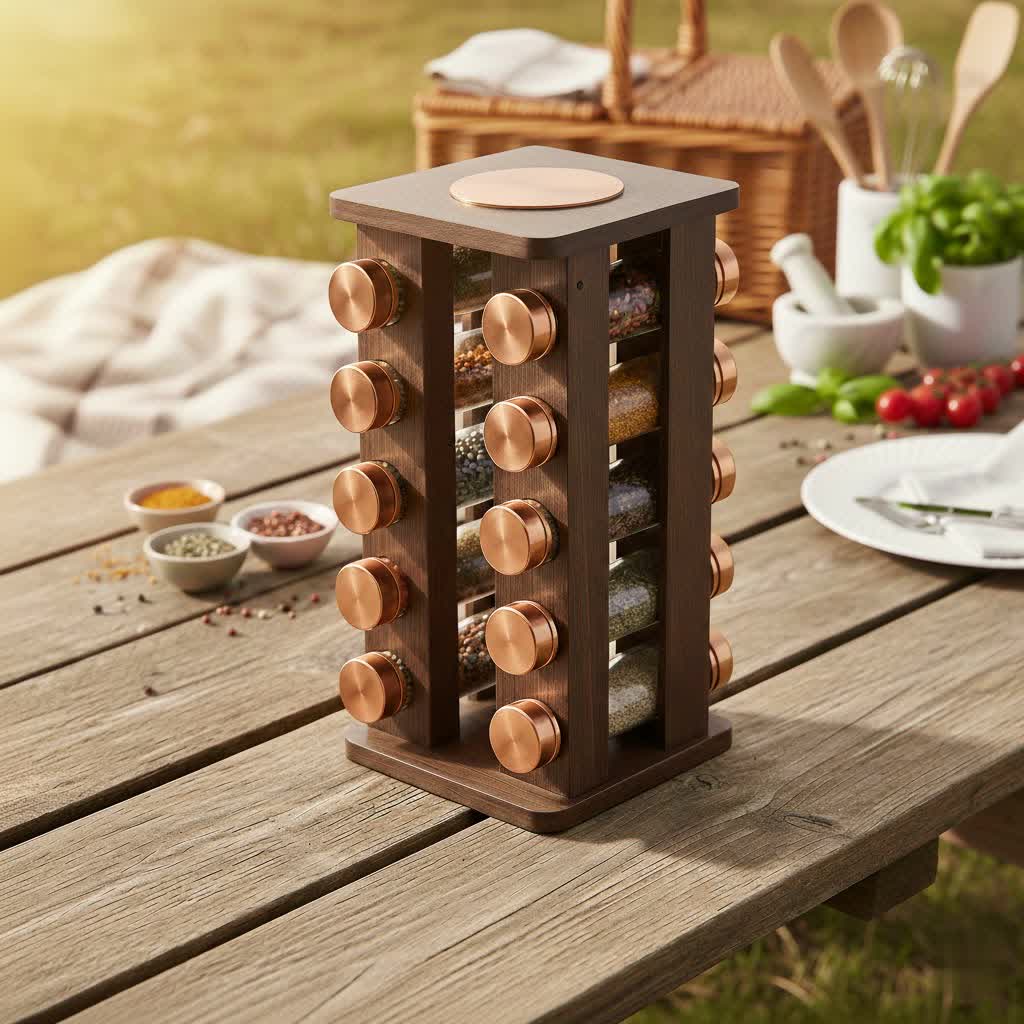
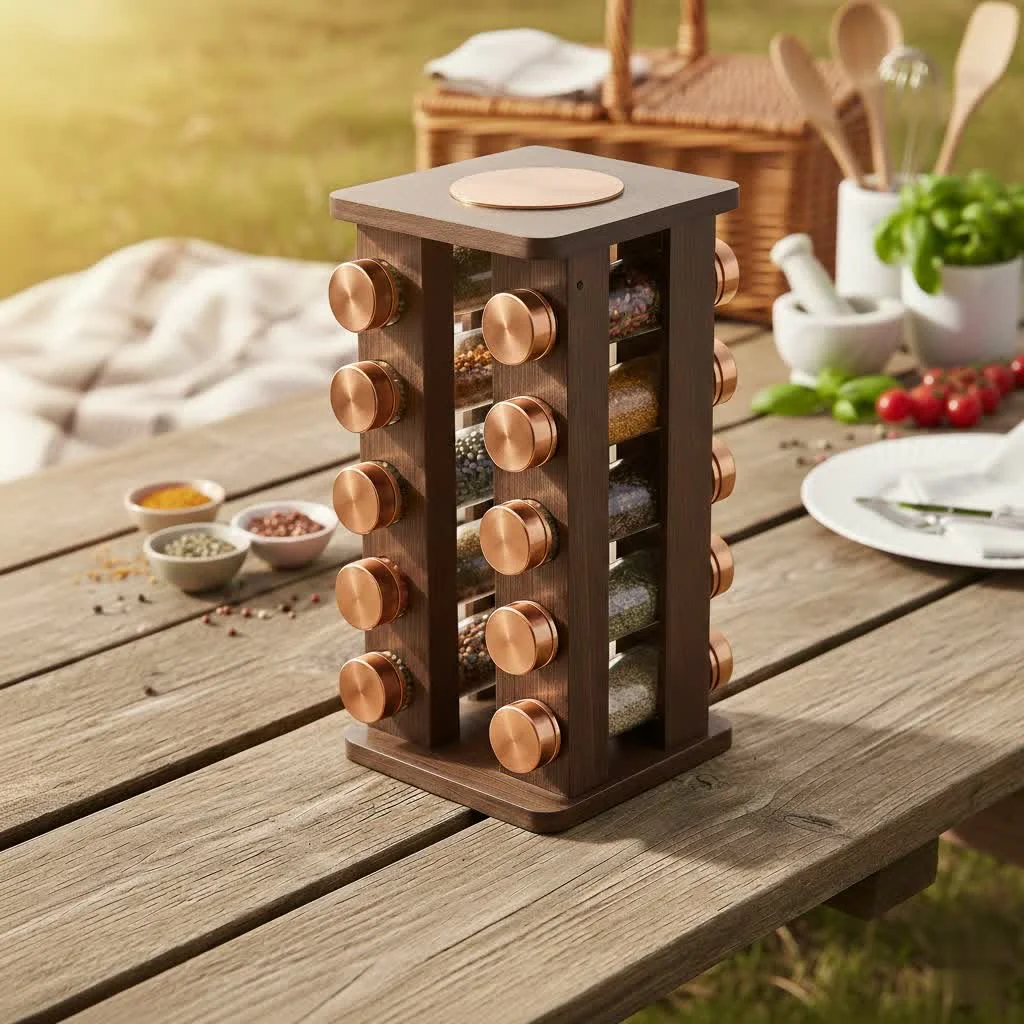
- Countertop Spice Racks: Designed for easy access, countertop models vary from simple two-tiered stands to more complex revolving (Lazy Susan) designs. These racks prioritize convenience, keeping frequently used spices within arm’s reach while cooking. While they offer portability, their main drawback is occupying valuable counter real estate, making them ideal for more spacious kitchens.
- Apothecary Spice Cabinets: Reflecting their origins in early apothecaries, these cabinets often feature numerous small, labeled drawers. Typically made of wood, they offer a charmingly traditional aesthetic and excellent organized storage, keeping spices neatly tucked away and protected from light. These pieces can be standalone units or designed for hanging, providing a sophisticated, almost furniture-like quality to your kitchen.
- Specialty Antique Spice Sets: Some antique spice racks come as complete sets, often featuring unique ceramic or glass jars designed to complement the rack itself. Brands like Lenox are renowned for their highly collectible “Spice Village” sets, where each spice jar is a miniature house, or their elegant “Spice Carousel” collections. These sets are often prized for their artistic detail and completeness.
Materials and Craftsmanship: What Defines an Antique Spice Rack?
|
Our Picks for the Best Spice Rack in 2026
As an Amazon Associate I earn from qualifying purchases.
|
||
| Num | Product | Action |
|---|---|---|
| 1 | Spice Rack Kitchen Cabinet Organizer- 3 Tier Bamboo Expandable Display Shelf Yellow |

|
| 2 | 4 Pack Magnetic Spice Storage Rack Organizer for Refrigerator and Oven, Blue Fridge Organizers and Storage |
|
| 3 | Spice Rack Organizer For Cabinet - 3 Tier Black Bamboo Wooden Expandable Display Shelf from 12.70 to 22.20 inch |
|
| 4 | Bamboo Spice Rack Cabinet Organizer - 3 Tier Wooden Expandable Walnut Display Shelf |
|
| 5 | 4 Pack Magnetic Spice Storage Rack Organizer for Refrigerator and Oven, Bronze Fridge Organizers and Storage |
|
| 6 | Metal 4 Pack Magnetic Spice Storage Rack Organizer for Refrigerator and Oven, Black Fridge Organizers and Storage |
|
| 7 | HOOBRO 4-Tier Spice Rack, Seasoning Organizer, Stackable Spice Rack Organizer, Spice Jar Storage Organizer, for Kitchen, Cupboard, Countertop, Black BK48TL01 |
|
| 8 | Kamenstein 20 Jar Revolving Countertop Spice Rack with Spices Included, FREE Spice Refills for 5 Years, Polished Stainless Steel with Black Caps, 30020 |
|
| 9 | Oizeir Clear Spice Rack (2-Pack) – 3-Tier Acrylic Organizer for Cabinet – Deep Spice Shelf – 10.4 x 9.6 x 4 Inches – Holds Seasoning and Condiments |
|
| 10 | Cabinet Caddy SNAP! Spice Rack Organizer for Cabinet - Slide & Rotate Seasoning Organizer - 4 Snap-In Adjustable Shelves for 5 Tier of Storage - Magnetic Modular Design - 8.9”H x 6.1”W x 10.8”D |
|
The materials and construction techniques are key to understanding and appreciating an antique spice rack’s authenticity and value.
- Wood: Wooden antique spice racks are perhaps the most prevalent, frequently crafted from durable woods like oak, pine, or walnut. You’ll often find intricate carvings, turned spindles, or careful joinery techniques that speak to skilled craftsmanship. Over time, wood develops a unique patina and displays natural wear, which adds to its character and verifies its age.
- Metal: Metal spice racks can range from sturdy wrought iron designs with ornate scrollwork to more utilitarian tin or aluminum racks. Wire racks, sometimes featuring a “chicken wire” aesthetic, offer a rustic charm. Authentic metal pieces may show signs of oxidation, minor rust, or a distinct patina that modern reproductions lack.
- Ceramic and Porcelain: These materials are typically found in the accompanying spice jars, though some racks may feature ceramic elements. Hand-painted designs, specific glazes, and the presence of maker’s marks or brand names (such as Lenox or Hummel) are common indicators. Ceramic jars often have an elegant, decorative appeal.
- Glass Jars: Antique spice jars primarily come in two forms:
- Milk Glass: Popular from the 1930s to the 1950s, milk glass jars are opaque, smooth, and possess a noticeable weight. Their white, milky appearance comes from tin oxide or bone ash used in their production, giving them a depth often absent in modern imitations.
- Clear or Tinted Glass: Earlier and mid-century clear or tinted glass jars often have thicker walls and a subtle greenish tint, characteristic of older glass manufacturing. Imperfections like small bubbles or variations in thickness can be delightful signs of hand-blown or early machine production. Original labels, if present and intact, significantly enhance their appeal.
Authenticity Markers: To distinguish genuine antiques from reproductions, look for consistent aging across all components, original construction methods (e.g., hand-forged metal, hand-carved details), and any manufacturer’s stamps or marks. Reproductions might feel too “perfect” or display modern labeling and finishes.
How to Choose Your Perfect Antique Spice Rack
Selecting the right antique spice rack involves a blend of practical considerations and personal taste.
- Assess Your Kitchen Style & Space: Before anything else, consider your kitchen’s existing decor. Does it lean rustic, traditional, or eclectic? Measure the space where you intend to place the rack—whether it’s a section of a wall, a countertop, or inside a cabinet. This will help determine the appropriate size and mounting type (wall-mounted, countertop, or cabinet insert).
- Consider Functionality: Think about your cooking habits. Do you prefer spices to be visible for quick access, or would you rather have them neatly hidden in drawers? How many spices do you typically use? This will guide your choice between open-shelf racks, revolving carousels, or multi-drawer apothecary cabinets.
- Examine Condition & Authenticity: Always inspect the piece thoroughly. Look for signs of wear that are consistent with age, but avoid severe damage that compromises structural integrity. Check for original hardware, maker’s marks, and authentic materials. If purchasing online, request clear, detailed photos and ask the seller specific questions about the item’s history and condition.
- Material Durability & Care: Different materials have different maintenance needs. Wooden racks may require occasional conditioning, while metal racks might need protection from excessive moisture to prevent rust. Ensure the material is suitable for a kitchen environment and that you are willing to undertake any necessary care to preserve its beauty.
- Budget & Value: Antique spice racks can range widely in price depending on rarity, condition, material, and brand. Set a budget, but be prepared that highly sought-after complete sets or unique pieces may command a higher price. Factor in potential restoration costs if you’re considering a project piece.
Antique Spice Rack Comparison Table
| Type of Rack | Common Materials | Key Features | Aesthetic Appeal | Best For | Considerations |
|---|---|---|---|---|---|
| Wall-Mounted | Wood, Metal | Shelves, small cabinets, often tiered | Rustic, farmhouse, traditional | Small kitchens, displaying collections | Requires secure installation, weight limits |
| Countertop/Freestanding | Wood, Metal, Ceramic | Revolving, tiered, small display shelves | Eclectic, accessible, decorative | Larger counters, frequent cooks | Occupies counter space, may be easily knocked |
| Apothecary Cabinet | Wood (oak, pine), Ceramic jars | Multiple small drawers, often labeled | Classic, formal, organized, hidden storage | Modern/traditional kitchens, hidden storage | Can be bulky, requires specific jar/tin sizes |
Curating Your Collection: Top Antique Spice Rack Styles
Certain antique spice rack styles and sets are particularly cherished by collectors and enthusiasts for their unique design and historical significance.
- Hoosier Cabinet Spice Racks: Integrated into the iconic Hoosier cabinets from the early to mid-20th century, these racks often feature specific jar sizes and designs that fit perfectly into the cabinet’s designated spice compartments. Finding a complete set with original jars is a true treasure.
- Victorian Era Racks: Characterized by elaborate decorations, dark woods, and sometimes ornate metalwork, Victorian spice racks embody the opulence of the era. They often feature intricate carvings and a sense of grandeur.
- Mid-Century Modern Racks: Moving into the mid-20th century, designs shifted towards cleaner lines, geometric shapes, and sometimes more vibrant colors. These racks might incorporate plastic or lighter woods and reflect the changing aesthetic of the American kitchen.
- Lenox Spice Village and Carousel: These complete porcelain sets, often from the 1980s and 90s, are highly collectible, with individual jars shaped as miniature houses or adorned with whimsical carousel animals. While technically “vintage” rather than “antique” due to age, their artistic value and collectibility are significant.
Where to Find Authentic Antique Spice Racks
The hunt for an antique spice rack is part of the charm! Here are some reliable avenues to explore:
- Online Marketplaces: Websites like Etsy, eBay, 1stDibs, and Bidsquare are treasure troves for antique and vintage items. On Etsy and eBay, search for “antique spice rack” or “vintage spice cabinet.” Always check seller reviews, examine all available photos closely, and don’t hesitate to ask questions about the item’s condition and history. For higher-end or rarer pieces, specialized auction sites like 1stDibs or Bidsquare can offer unique finds.
- Local Hunting Grounds: Nothing beats the thrill of discovering an antique in person. Explore local antique stores, flea markets, and estate sales. These venues allow you to physically inspect the item, assess its condition firsthand, and sometimes negotiate prices. Thrift stores can also yield surprising finds, though they often require a keen eye and a bit of luck.
Preserving the Past: Usage and Care for Your Antique Spice Rack
Once you’ve found your perfect antique spice rack, proper usage and care will ensure it remains a cherished part of your home for years to come.
- Arrangement Tips: Organize your spices not only for ease of use but also to enhance the rack’s aesthetic. Consider grouping spices by cuisine, frequency of use, or simply by color for a visually appealing display. If your rack came with original jars, maintain their intended placement. For racks without jars, consider investing in a set of uniform glass or ceramic jars to create a cohesive look.
- Cleaning & Maintenance:
- Wooden Racks: Dust regularly with a soft cloth. For deeper cleaning, wipe with a damp cloth and a mild soap solution, then dry immediately. Avoid harsh chemicals that can damage the wood finish. Occasional polishing with furniture wax or oil can help maintain its luster.
- Metal Racks: Clean with a soft, damp cloth. For stubborn grime, a mild soap and water solution can be used, ensuring to dry thoroughly to prevent rust. For wrought iron, specialized metal cleaners or rust converters might be needed for persistent issues.
- Ceramic & Glass Jars: These are generally easy to clean with warm, soapy water. Handwashing is always recommended to protect any delicate paintwork or labels. Ensure lids are completely dry before returning them to the jars to prevent moisture buildup.
- Display & Placement: To preserve the integrity of your antique spice rack, avoid placing it in direct sunlight, which can fade wood finishes and labels, or in areas with extreme temperature fluctuations or high humidity, which can warp wood or corrode metal. A cool, dry location is ideal for both the rack and the spices it holds.
Buying Guide: Essential Considerations for Antique Spice Rack Enthusiasts
Embracing an antique spice rack means bringing a piece of history and undeniable character into your kitchen. Here are the crucial takeaways for making an informed purchase:
- Material Safety: Ensure that any components that come into direct contact with spices are safe and clean. For racks with original jars, check for any damage or residues.
- Structural Integrity: A beautiful antique is only truly valuable if it’s functional. Confirm the rack is sturdy, free from major cracks, loose joints, or irreparable damage.
- Ease of Cleaning: Choose a design that allows for relatively easy cleaning to maintain hygiene, especially in a kitchen environment.
- Proportionality: The rack should fit harmoniously within your kitchen space without overwhelming it or looking out of place.
- Fair Pricing: Research current market values for similar antique spice racks to ensure you’re getting a fair price based on the item’s age, condition, and rarity.
Remember, each antique spice rack has its own unique charm and history, waiting to become a cherished part of your home.
Conclusion
Antique spice racks are more than just organizational tools; they are captivating pieces of history that can transform your kitchen into a space of unique charm and functional beauty. From the rich wood of an apothecary cabinet to the delicate ceramic of vintage jars, each element tells a story of culinary traditions and changing tastes. By understanding the different types, materials, and key authenticity markers, you can confidently embark on your journey to find a piece that not only organizes your spices but also adds a soulful, vintage flair to your culinary haven. Whether you’re a seasoned collector or a newcomer to the world of antiques, the perfect historical accent awaits.
What stories will your antique spice rack tell in your kitchen?
Frequently Asked Questions
How can I tell if a spice rack is truly antique?
Authentic antique spice racks often show natural signs of wear such as slight fading, consistent aging across all components, and original construction techniques like hand-carved wood or hand-forged metal. Look for manufacturer’s marks or stamps, and note any imperfections characteristic of older production methods. Reproductions tend to have a “too perfect” finish.
What materials are best for antique spice racks?
Antique spice racks are commonly found in wood (oak, pine), metal (wrought iron, tin), and sometimes feature ceramic or glass jars. Each material offers distinct durability and aesthetic appeal, from the rustic warmth of wood to the ornate strength of metal. The “best” material often depends on your kitchen’s style and the level of care you’re prepared to provide.
How do I clean and maintain an antique wooden spice rack?
For antique wooden spice racks, regularly dust with a soft cloth. For deeper cleaning, use a slightly damp cloth with a mild soap solution, then dry immediately to prevent moisture damage. Avoid harsh chemical cleaners. Occasionally, apply a suitable furniture wax or oil to nourish the wood and enhance its natural luster.
Are antique spice racks safe for storing modern spices?
Generally, yes, antique spice racks are safe for storing modern spices, especially if the spices are kept in their own airtight containers within the rack. The primary concern is protecting spices from light, heat, and moisture, which can degrade their flavor and potency. Ensure any accompanying antique jars are clean and have well-fitting lids to maintain freshness.
Where are the best places to buy antique spice racks?
Reputable online marketplaces like Etsy, eBay, 1stDibs, and Bidsquare are excellent sources for antique spice racks, offering a wide selection. For an in-person experience, explore local antique shops, flea markets, and estate sales, where you can inspect items directly before purchasing.
Cooking gear we tested in our own kitchens
Free PDF — preheat times measured on 10 popular air fryers.
